If you are concerned about someone's safety, it is essential to act quickly. Delaying may worsen the situation for that person. You don't need to be entirely certain that something wrong is occurring.
Slips and trips are accidents that can occur anywhere—at work, in your home, or in public—and they can result in serious injuries. It’s crucial to understand the causes of these accidents so we can take steps to prevent them.
Food safety certificates don’t expire, but it's recommended to renew training every 3 years to stay up to date on laws, best practices, and industry standards.
Fire safety training is essential for employees to learn how to prevent fires, evacuate safely, and respond effectively during emergencies. This training addresses specific workplace risks, ensuring everyone understands how to manage potential fire hazards.
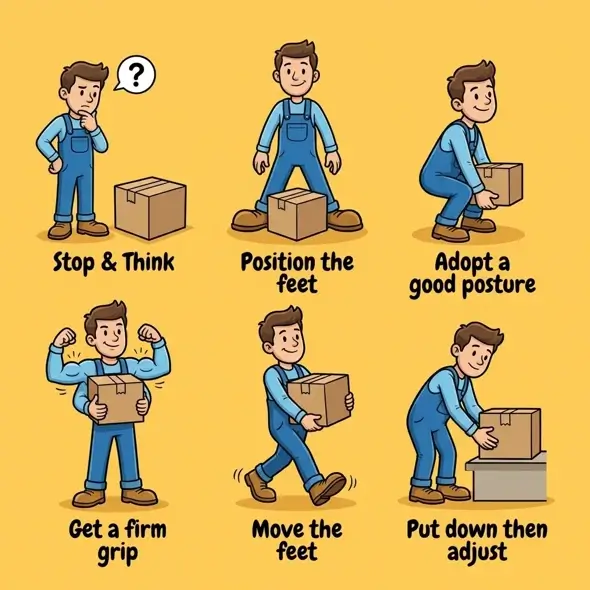
Employers must take necessary precautions to mitigate risks, especially in workplaces with 5 or more employees. In these cases, active manual handling policies are essential, requiring documented risk assessments for review.
Asbestos awareness certificates do not have a specific expiration date, but it is advisable to refresh your training annually. This recommendation is based on safe work practices suggested by the Health and Safety Executive (HSE).
The UK Equality Act 2010 recognises four main types of discrimination: Direct, Indirect, Associative, and Perceived Discrimination. These categories protect individuals from unfair treatment based on specific characteristics.
If you plan to sell homemade cakes, register your kitchen as a food business with local health authorities at least 28 days before selling. This registration is usually free.
Modern slavery is a significant global crisis affecting around 50 million people as of 2021. Its prevalence is measured by the proportion of affected individuals (prevalence rate) and the total number of victims. Both metrics are essential for tackling this serious human rights violation.
In the unfortunate event that a customer exhibits signs of a severe allergic reaction (such as anaphylaxis), characterised by symptoms like difficulty breathing, swelling, hives, dizziness, or a rapid heartbeat, follow the guidelines in this post.