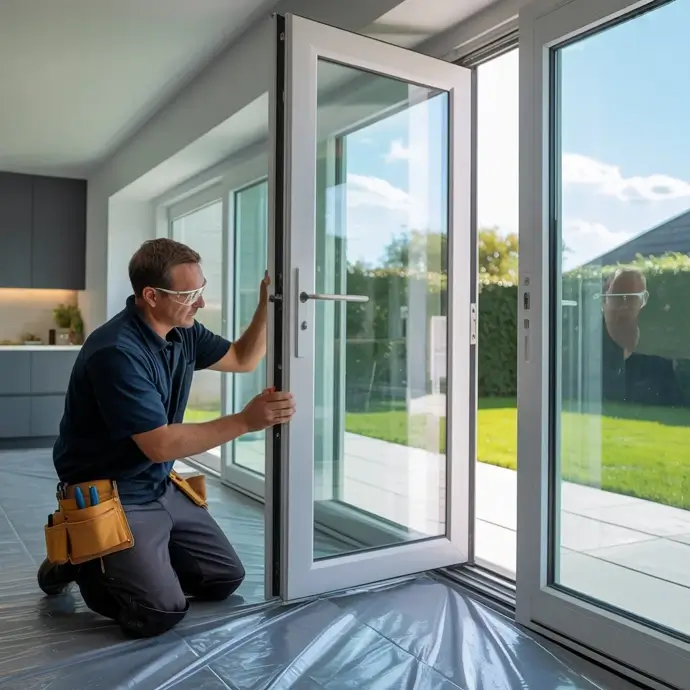
Installing UPVC products involves risks, including working at heights, handling heavy materials, and using power tools. Not adhering to safety practices can lead to accidents and legal issues. Promoting a safety culture protects employees and enhances your company’s reputation.
For anyone involved in fitting UPVC windows and doors, having properly prepared Risk Assessments and Method Statements (RAMs) is essential to ensuring the work proceeds safely. These documents help identify potential risks and provide effective strategies to manage them.
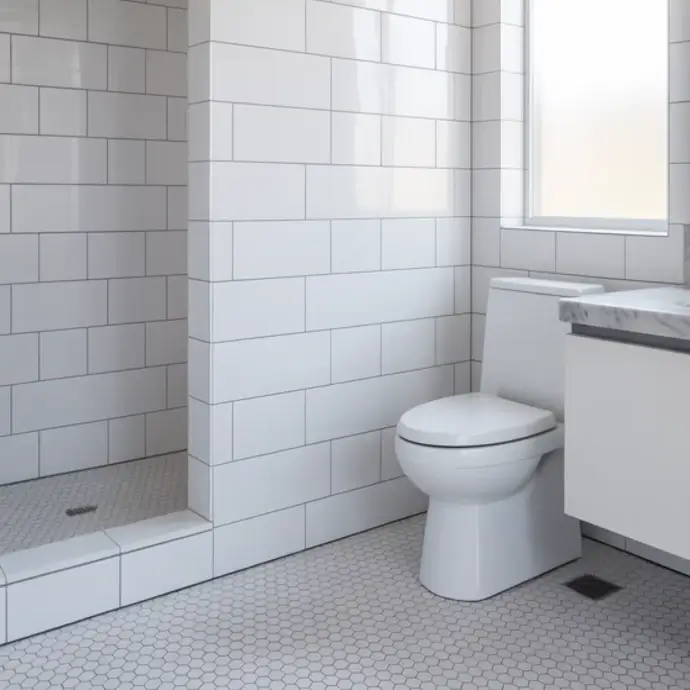
Working on ceramic tiling projects can pose several hazards, including cuts, falls, and long-term health issues such as respiratory problems and back pain. Adhering to health and safety guidelines is not only a legal requirement but also crucial for protecting workers.
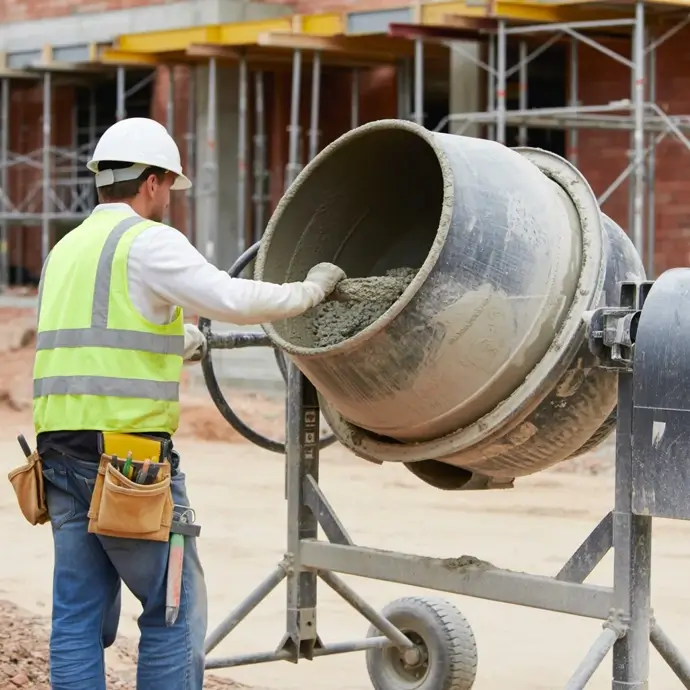
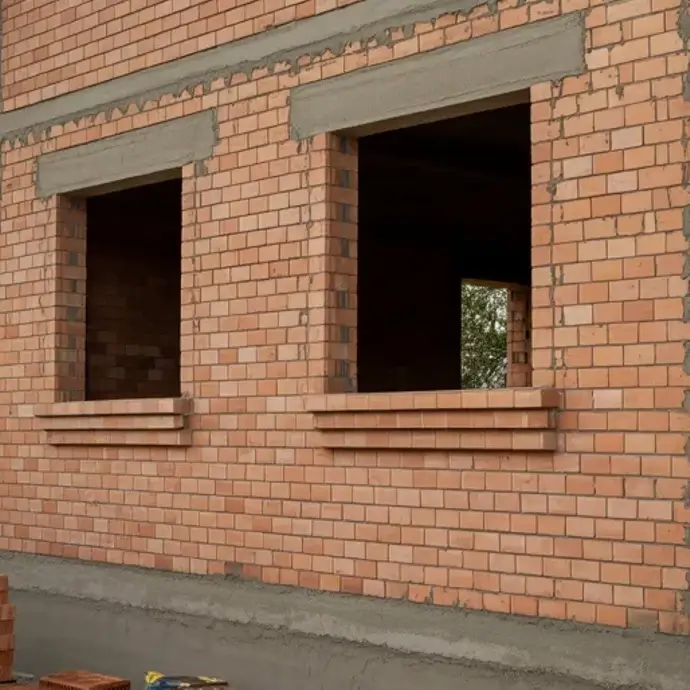
Bricklaying is challenging and carries risks, making safety a shared responsibility. Creating a safe work environment protects workers and the community, prevents accidents, and ensures smooth project progress and high construction standards.
Prioritising health and safety in bricklaying is crucial for both workers and the overall success of construction projects. By identifying and addressing potential hazards, construction companies can protect their teams, improve productivity, and comply with regulations, all while establishing a reputation for delivering quality work.
Many people think ceramic tiling is simple, but it comes with risks like lifting heavy materials, working at heights, managing dust, and handling chemicals. Strong Risk Assessment Method Statements (RAMs) are essential for meeting legal requirements and ensuring worker safety, preventing accidents, and promoting a safety-focused culture.
Working on ceramic tiling projects can pose risks, including physical injuries and exposure to harmful materials. Whether you're a business owner or an individual tackling projects at home, it's important to recognise these hazards and take necessary safety measures.
At HSEDocs, we recognise the significance of health and safety in bricklaying. Our Bricklaying Risk Assessments and Method Statements (RAMs) are more than just paperwork for legal compliance; they are essential tools that ensure your team's safety, enhance project efficiency, and uphold your business's reputation.
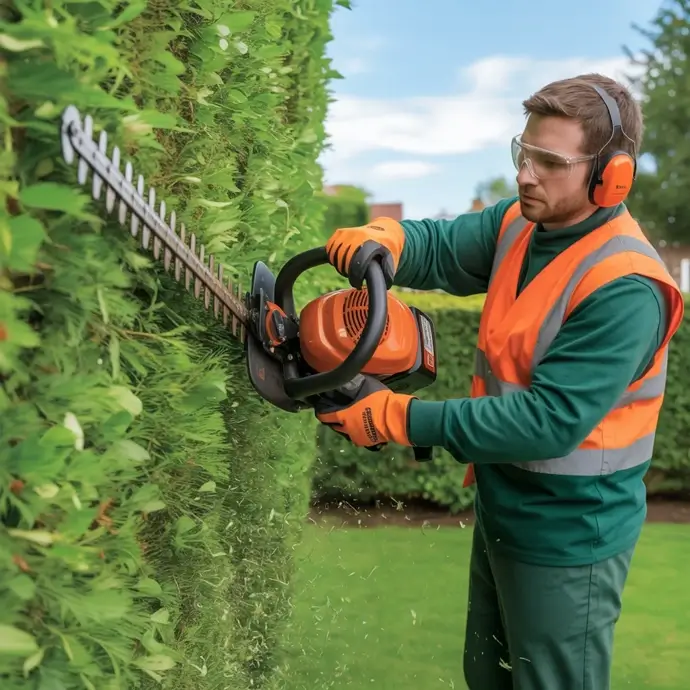
Personal Protective Equipment (PPE) is essential for staying safe while gardening. Wearing gloves protects your hands from cuts, scrapes, and irritants in soil and plants. If you’re using chemicals such as pesticides, it’s advisable to choose gloves designed to resist those substances to ensure your safety.
While gardening may appear relaxing, it can harbour many hidden dangers. From sharp tools and heavy machinery to harmful chemicals and the risks associated with repetitive movements, it’s essential to plan ahead and remain aware of these hazards.