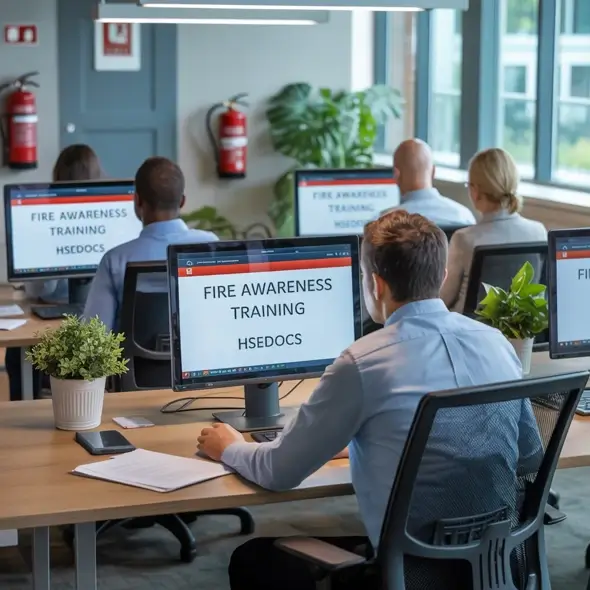
Employee fire safety training is essential in the United Kingdom. By law, every worker must complete basic fire safety awareness training, although learning how to operate fire extinguishers is not mandatory for everyone.
Deciding whether to take action after finding asbestos in a building depends on important considerations, including your role—whether you’re a property owner, landlord, or homeowner—and the age of the building, particularly if it was constructed before 2000.
If a person is unconscious or unresponsive yet continues to breathe normally, it’s important to place them in the recovery position. Doing so helps maintain an open airway, reduces the chance of choking on fluids or vomit, and prevents the tongue from obstructing the throat.
Ensuring safety in diverse environments requires careful planning. This guide outlines simple steps organisations can take to protect individuals in various settings, including community centres, online spaces, and one-on-one sessions.
A modern slavery statement is a report required by the UK Modern Slavery Act of 2015 for certain large companies. It outlines the steps a company takes to identify and prevent modern slavery, forced labour, and human trafficking in its operations and supply chains.
In the UK, key laws such as the Health and Safety at Work Act of 1974 help prevent slips and trips in the workplace. This Act mandates that employers take reasonable measures to ensure the safety of both workers and visitors from hazards.
In the hospitality industry, great communication is essential for success. It involves sharing information clearly, being empathetic, and listening well. When hospitality professionals master these skills, they can understand guest needs, address problems quickly, and create memorable experiences that leave a lasting impression.
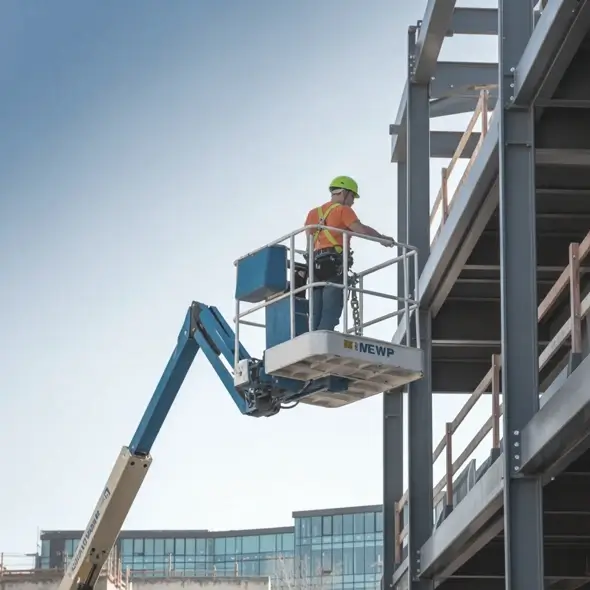
A risk assessment for working at height is crucial for ensuring safety when individuals work above ground level. This assessment involves systematically identifying potential hazards, determining who might be affected, evaluating the associated risks, documenting the findings, and routinely reviewing safety measures to ensure their continued effectiveness.
In the UK, it's crucial to handle high-risk perishable foods like meat, dairy, and cooked rice with care. If left out at room temperature (the “danger zone” between 8°C and 63°C) for more than four hours, these foods can become unsafe to eat.
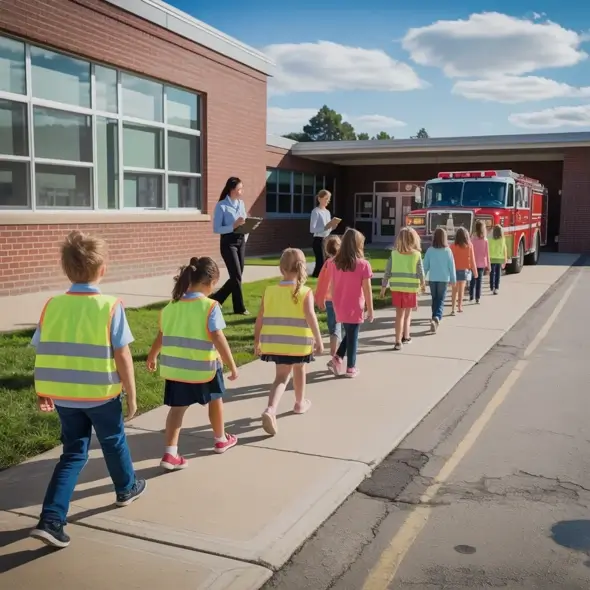
Fire drills are crucial for workplace safety and should be conducted at least once a year. However, high-risk locations or those with many new employees may need to hold them every six months.