
Health and Safety Manual Handling Training
Manual handling training is a crucial aspect of workplace health and safety, providing employees with the knowledge and skills to safely lift, carry, or move objects.
Read articleClear, useful advice to help you protect your people, meet your responsibilities and run a safer workplace.
Manual handling training is a crucial aspect of workplace health and safety, providing employees with the knowledge and skills to safely lift, carry, or move objects.
Read article
Level 3 Food Safety and Hygiene Training is for those responsible for food safety in their organisations, including chefs, kitchen managers, and supervisors involved in cooking and compliance with safety rules.
Read article
Level 2 Food Hygiene & Safety Training is crucial for maintaining high food safety standards. It covers essential topics like proper food handling, contamination prevention, and legal requirements.
Read article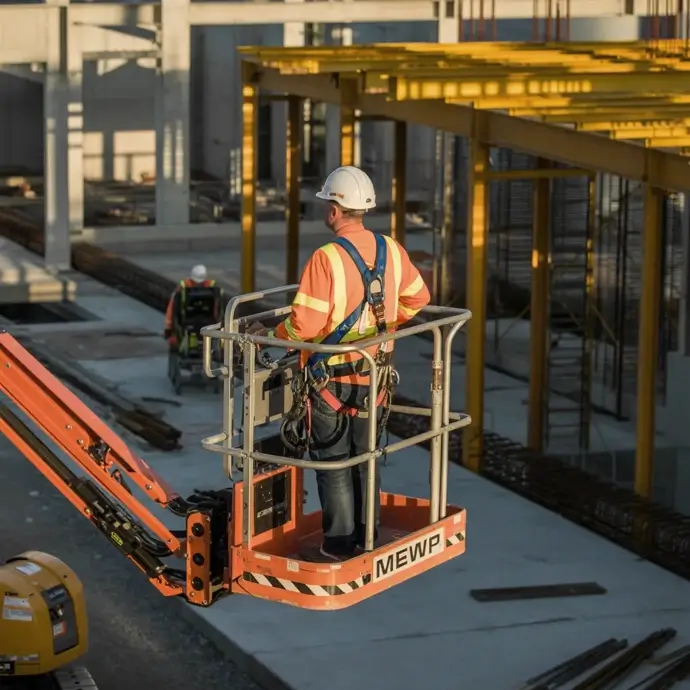
A work at height training certificate serves as formal evidence that a person has finished safety training for tasks performed in areas with potential fall hazards. This document confirms the individual's knowledge of essential safety precautions required for working at heights.
Read article
Slips, trips, and falls safety training teaches employees to identify and prevent risks on walking surfaces. It highlights the importance of good housekeeping and of recognising hazards such as wet floors and trailing cables.
Read article
In-person courses that include practical exercises, such as lifting boxes, are currently not recommended. This is due to the fact that, unless individuals are professional box lifters, such training activities may not correspond with their usual job responsibilities.
Read article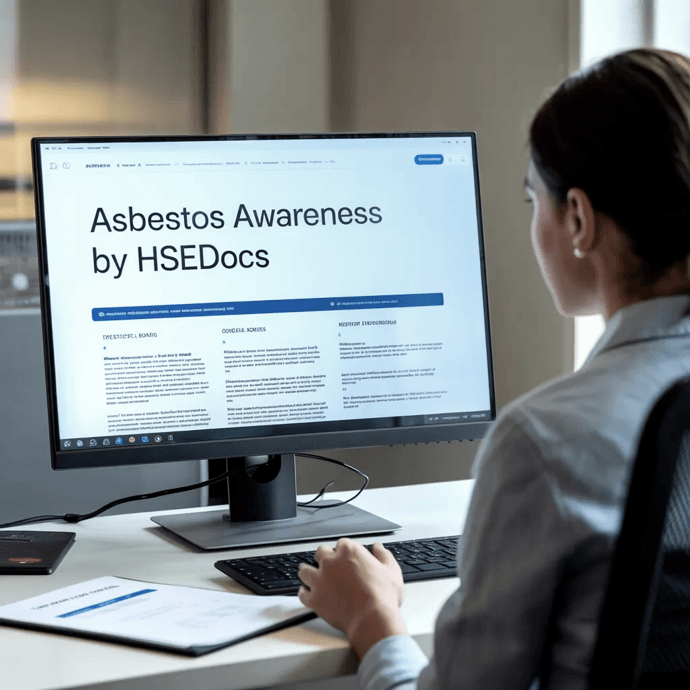
Many people ask where they can find a free asbestos awareness course that comes with a certificate, but such courses aren’t available. Still, prices for asbestos awareness training have fallen significantly over time and are currently lower than ever.
Read article
Equality and diversity training offers benefits beyond legal compliance. It fosters a workplace culture of respect and understanding, empowering individuals to contribute to a collaborative environment where all perspectives are valued.
Read article
It's important to note that modern slavery training equips employees to recognise warning signs and report any concerns. If most employees work on the shop floor, training a payroll clerk—who primarily doesn't interact with them—may not be as effective.
Read article
The Level 1 Food Hygiene Certificate introduces key principles of food safety and highlights the importance of hygiene in food settings. This entry-level certification teaches learners to identify risks and implement effective practices to minimise hazards.
Read article