The Work at Height Regulations 2005 (WAHR) in the UK are essential for ensuring safety when working at heights. Employers must avoid working at height if possible, but if not, they must take measures to protect employees from falling.
The 3 Ps of first aid are Preserve Life, Prevent Deterioration, and Promote Recovery. These principles guide you in ensuring the safety of an injured or unwell person while stabilising their condition until professional help arrives.
In the United Kingdom, there are no specific laws on the number of fire marshals required in a workplace. However, it's crucial to assess the building's fire risks to determine how many marshals are needed for safety in an emergency.
Properly storing raw meat is essential for ensuring food safety and minimising the risk of contamination. Raw meat can carry harmful bacteria, and appropriate storage helps prevent the spread of these germs. It's important to keep raw meat below 40°F (4°C) to inhibit bacterial growth.
Falls from ladders are a significant safety concern in the UK, causing serious injuries and fatalities. Over 5,000 non-fatal workplace accidents occur annually due to ladders, while about 48,000 people visit the emergency room each year for ladder falls at home, particularly during DIY projects.
Keeping people safe from slips, trips, and falls at work is very important for everyone’s health and well-being. To achieve this, we need to take a well-rounded approach that includes careful planning and encouraging safe behaviour among employees.
Musculoskeletal injuries, such as fractures, sprains, and strains, represent the most prevalent consequences of slips, trips, or falls in the workplace. These injuries most frequently impact the wrist or ankle, with back injuries also occurring regularly.
If you suspect that someone could be experiencing modern slavery, forced labour, or human trafficking in the UK, it’s crucial to act swiftly. Depending on how urgent the case is and whether you’re a professional or a member of the public, you should report your concerns to the appropriate authorities.
If you encounter someone who appears to be in shock, prompt action is essential. As shock is a critical medical condition that may deteriorate swiftly, the appropriate initial response is to dial 999 for emergency medical assistance.
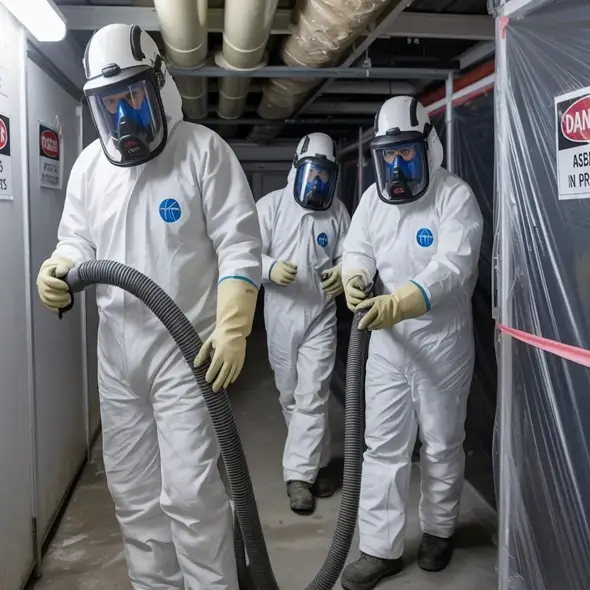
Asbestos-related diseases in the United Kingdom may exhibit symptoms only after an extended latency period, generally ranging from 20 to 50 years or even longer following asbestos exposure. This prolonged interval means individuals may not become aware of their condition until many years have passed.