Public outcry arose when it was discovered that a person with eight previous sexual offence investigations was not only employed by a college but also provided with a house to live in on the college grounds. This situation spurred the need for change.
RAMS are the documents that list how to complete a job safely. And for painting an exterior wall, these documents should include: Risk Assessments, Method Statements and COSHH Assessments.
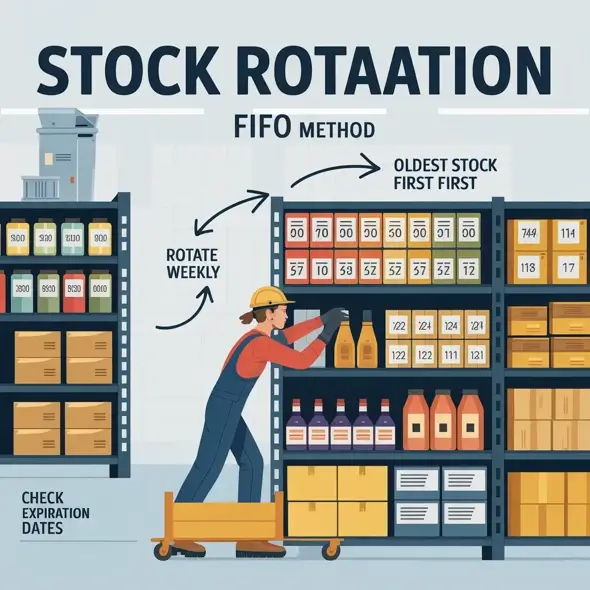
Proper stock rotation keeps food fresh by using older items before they expire and placing new deliveries at the back. Each delivery or approaching expiry requires a cycle of stock rotation.
In the United Kingdom, allergen laws aim to protect individuals with allergies or intolerances. These regulations clearly outline the responsibilities of food businesses, schools, and manufacturers to ensure safety for all.
The term "Food and Hygiene Level 2" commonly refers to Level 2 Food Safety training. Just as many people refer to a vacuum as a Dyson or Hoover, Food Safety Level 2 is often known as food hygiene.
Safeguarding involves protecting vulnerable groups, and training is essential for preventing potential harm, abuse, and neglect. It provides individuals with the skills and knowledge needed to recognise dangers and take appropriate action when concerns arise.
Display screen equipment awareness training is required for employers to provide workers with adequate training and information before starting DSE work, and again when there are changes in equipment, software, or work organisation.
Display screen equipment (DSE) awareness training is an essential program for employees who regularly use computers, laptops, or tablets. The training aims to promote workplace safety by teaching methods to minimise the risks associated with prolonged screen use.
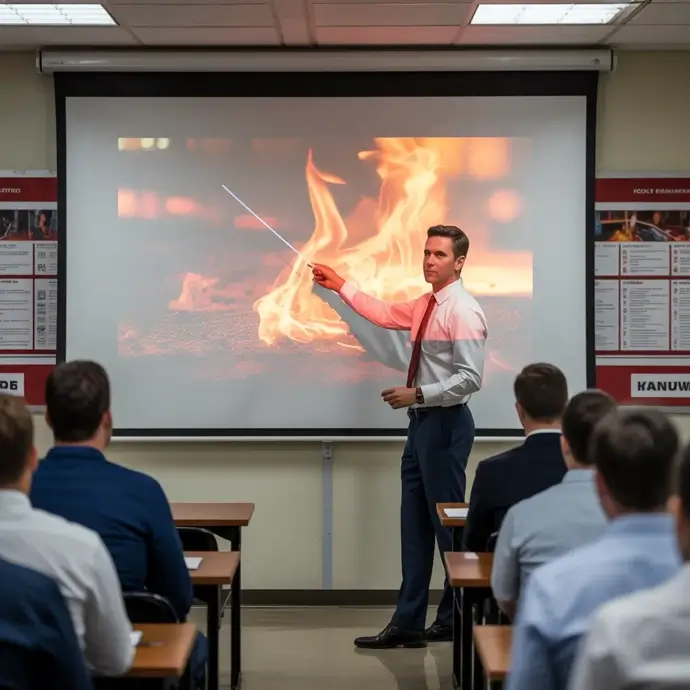
At HSEDocs, our Basic Fire Safety Awareness training is not only comprehensive but also offers excellent value for money at just £9.99. This self-paced course generally takes candidates between 2 to 3 hours to complete successfully.
This training provides participants with essential knowledge on food safety, including adhering to health regulations, maintaining appropriate temperatures, proper cleaning techniques, and practising good personal hygiene. Together, these practices help prevent foodborne illnesses.