An online Level 2 Food Safety and Hygiene course usually takes between 1 to 3 hours to complete. The duration may vary based on your personal learning speed, as most providers allow you to learn at your own pace and to pause or resume modules as needed.
Many people seek to compare the best providers of online Level 3 food safety courses for supervisors, which can be overwhelming given the numerous options available. Fortunately, the course curriculum remains largely consistent.
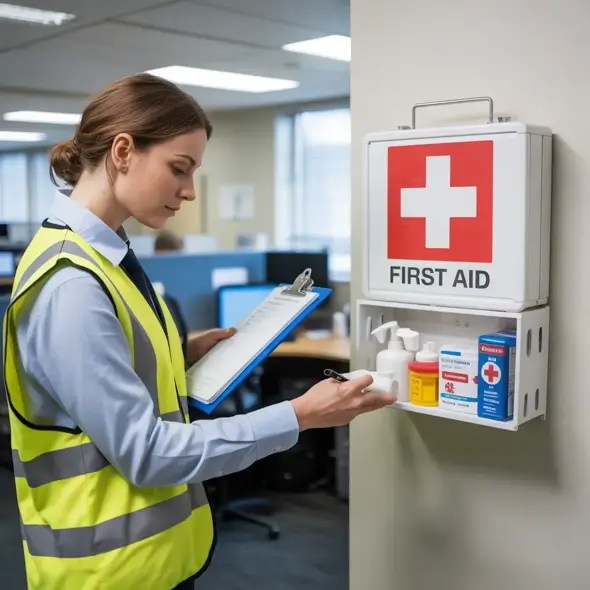
A commonly asked question is where people can find a comparison of the best online providers for getting a first aid at work certificate. Unfortunately, there is no such list, and even if there were, it would need regular updates to keep it current.
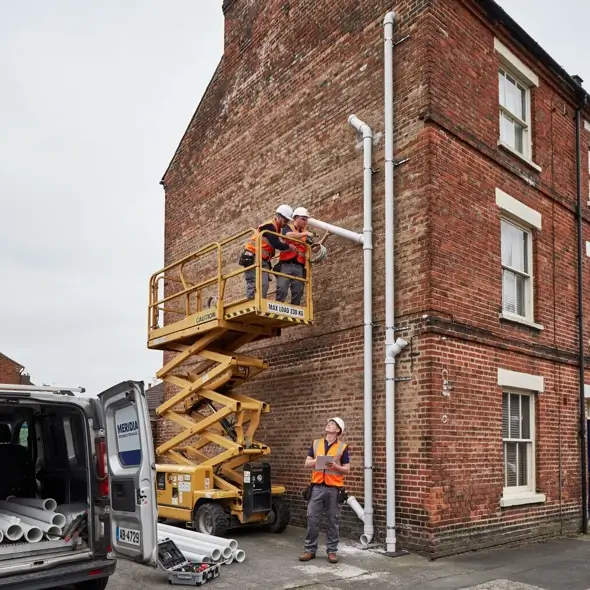
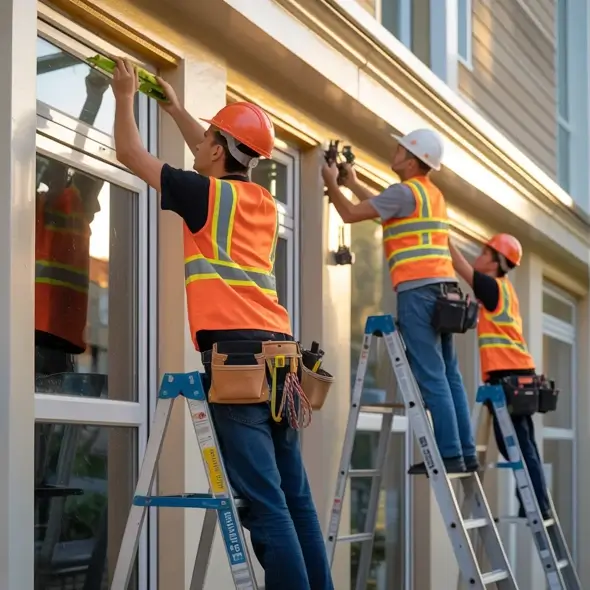
One of the primary factors in obtaining a working at height certificate quickly is the certification method, which, for speed, needs to be a digital certificate that can be emailed or printed, not a paper copy that requires posting to successful candidates.
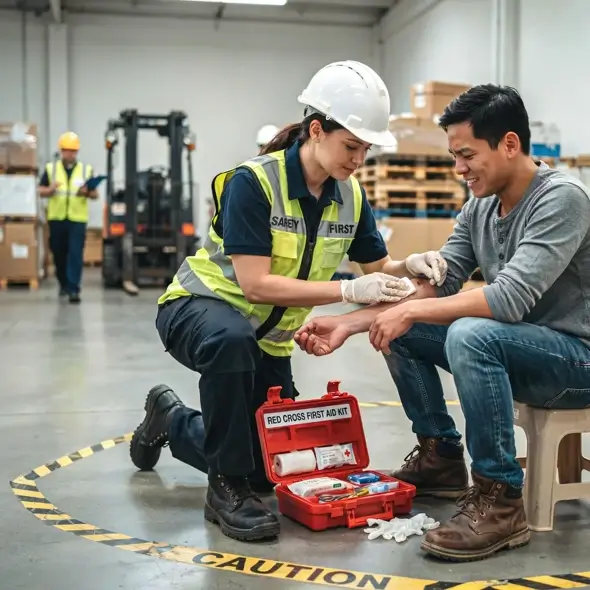
In workplace first aid, two key roles are essential: the first-aider and the appointed person. Both play vital roles in ensuring safety, but they have different responsibilities and levels of training.
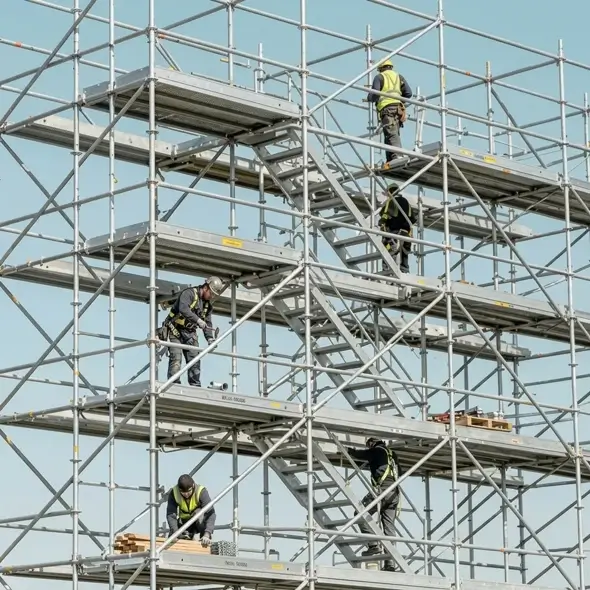
Falls from heights of just 5 to 6 feet can be very dangerous and often lead to serious injuries or death. Research indicates a 50% chance of survival from falls of 48 feet. Any situation where a fall could result in injury necessitates safety equipment, starting at around 6.5 feet.
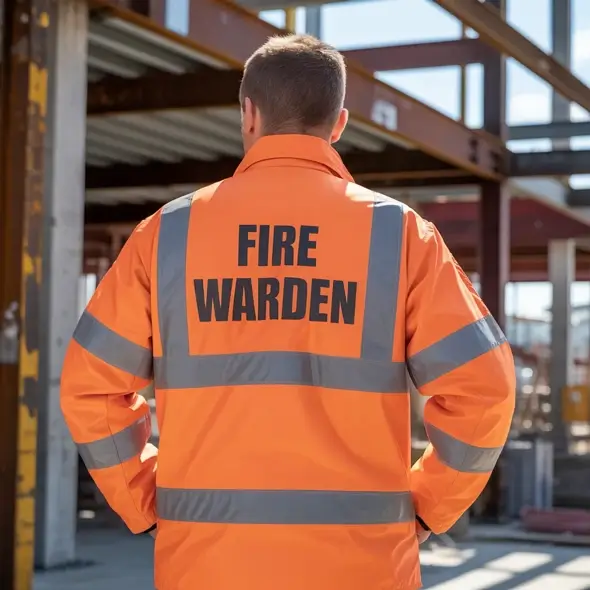
In the United Kingdom, the terms "Fire Marshal" and "Fire Warden" commonly refer to individuals responsible for fire safety in environments such as offices, schools, and hospitals. Although there is no legal distinction between the two, they typically have different roles and responsibilities.
Keeping food safe and clean is really important for both our health and the success of food businesses. If proper cleanliness rules aren’t followed, it can lead to serious health problems for people and create difficulties for businesses.
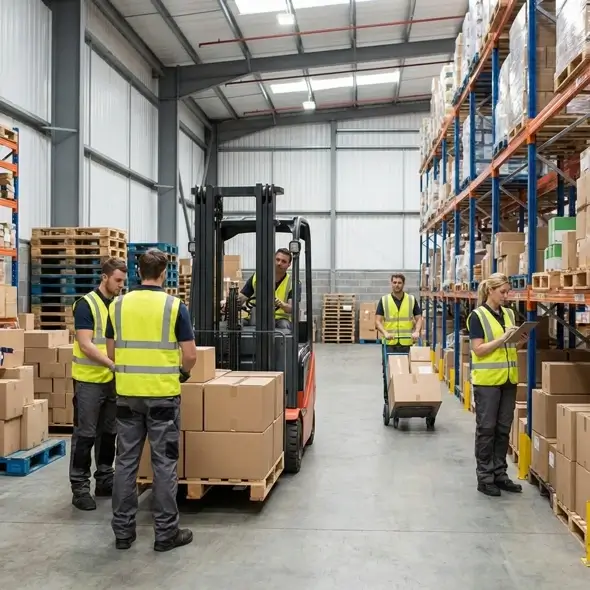
Warehouse workers must complete safety training for any job with fall risk, like using ladders or loading trucks. The Work at Height Regulations 2005 require that these tasks are planned, supervised, and carried out by trained staff.