Visit any commercial kitchen or catering equipment store and you’ll see a rainbow of chopping boards. But what do the different colours mean? In this article, our experts explain how the colours of chopping boards help reduce the risk of cross-contamination and what each colour is used for.
HACCP is an initialism used in the hospitality industry to manage food hygiene and safety standards across all departments. When working with food, there are several hazards that you will come across that you will need to know how to deal with at every level of experience or responsibility.
So, what is HACCP and why is it important? HACCP stands for Hazard Analysis and Critical Control Points.
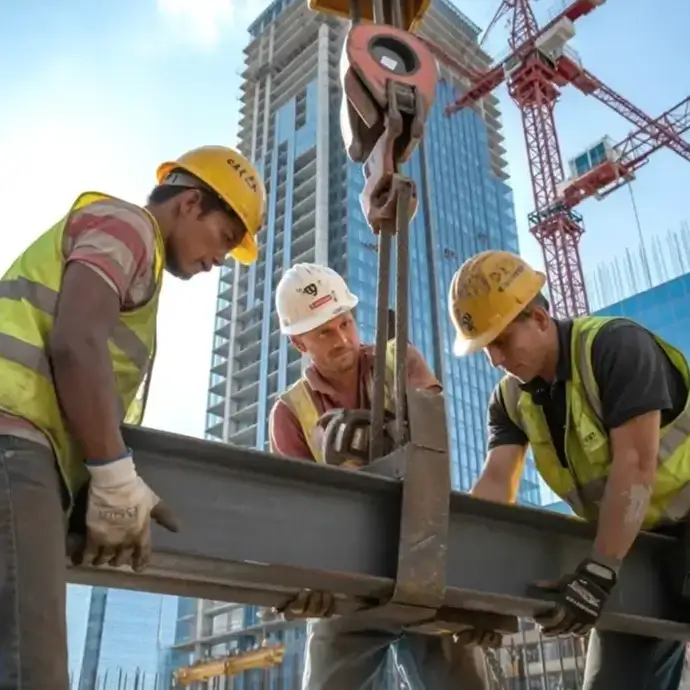
What Are The Employers' Duties Under The Manual Handling Regulations?
As an employer, you must clearly understand the following areas to assess the risks involved in manual handling effectively. This outline will provide you with the experience necessary to carry out assessments that ensure safety for you, your team, and members of the public when manually handling objects at work.
What Does AARR Stand For in Manual Handling?
AARR is an initialism used to refer to the core concepts of keeping us all safe when lifting heavy objects. Understanding and following these key concepts can help you assess common risks and learn how to avoid harm when completing a manual lifting task.
What Does TILE Stand For in Manual Handling?
Manual handling covers several tasks, including lifting, pushing, pulling, or carrying large and heavy objects. If you are doing any of the tasks outlined above, you must consider ‘TILE’ beforehand. The TILE acronym stands for Task, Individual, Load, and Environment. I.e, each of the factors that you should assess and consider from a health and safety standpoint.
We’ve outlined a few of the questions that you could ask yourself when considering each TILE in manual handling:
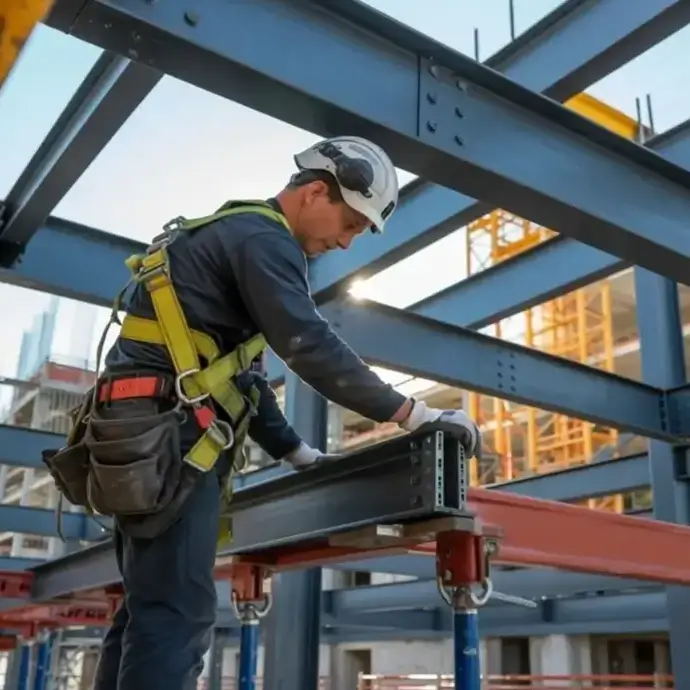
So, what are the Key Working At Height Rules?
The Key Working at Height Rules are based on common-sense guidelines for employers to assess the professional competency of employees and the adequacy of the equipment used. Height, surfaces, harnesses and tools all play a part in assessments, as does any possible risk of injury to the public.
What are the most common manual handling risk factors? The most common risk factors for manual handling include:
Personal capabilities such as strength, height, underlying health conditions, or pregnancy
The environment, including tripping hazards, space available, and visibility when moving the object
The object itself, including weight, shape, size, temperature, and how delicate it might be
Satisfy the local and national authority requirements with our complete range of health and safety courses, specifically chosen for those working on a building site. Not only do we cover the basics, such as first aid or manual handling, but we also have courses on asbestos awareness, working at heights, and more.
First aid training can be the difference between life and death when accidents happen in the workplace. If you’re an Appointed Person, and you are keen to learn what to do in an emergency, taking a First Aid at Work course is likely to be on your to-do list. But what do these courses teach you?
When working in environments with risks, such as at heights, it is essential to ensure that you and your team are properly trained to avoid breaking rules and regulations and to stay safe. But, is working at height training a legal requirement? In this article, our health and safety team discusses when and why you’ll need working at heights training.