Food safety training is an ongoing process, not a one-off event, that evolves alongside the industry. By actively engaging in education and adopting a proactive attitude, food handlers help create a safe food service environment where risks are minimised.
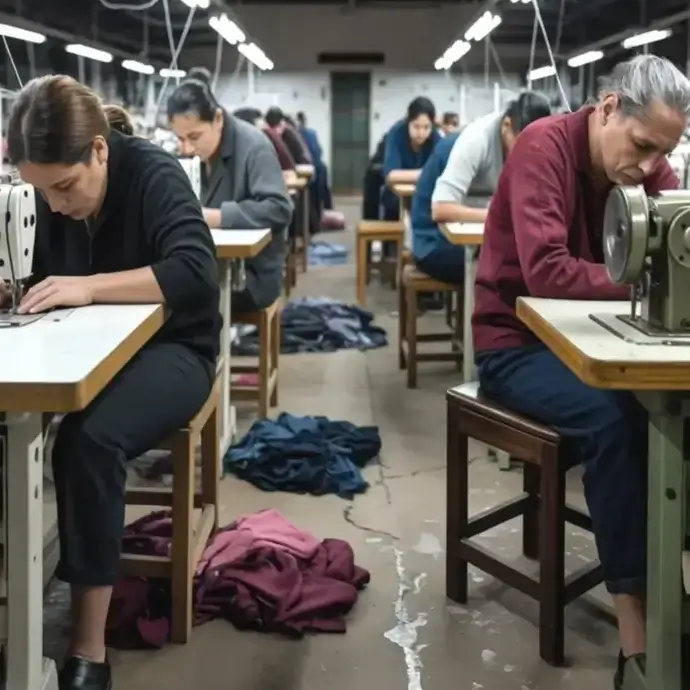
address their role in eliminating exploitative practices. Modern slavery statements have become a vital tool for organisations to communicate their efforts in combating this global problem.
Health and safety regulations are vital in guiding workplaces towards practices that protect employees from harm. These rules define clear expectations for reducing risks linked to daily operations and potential dangers.
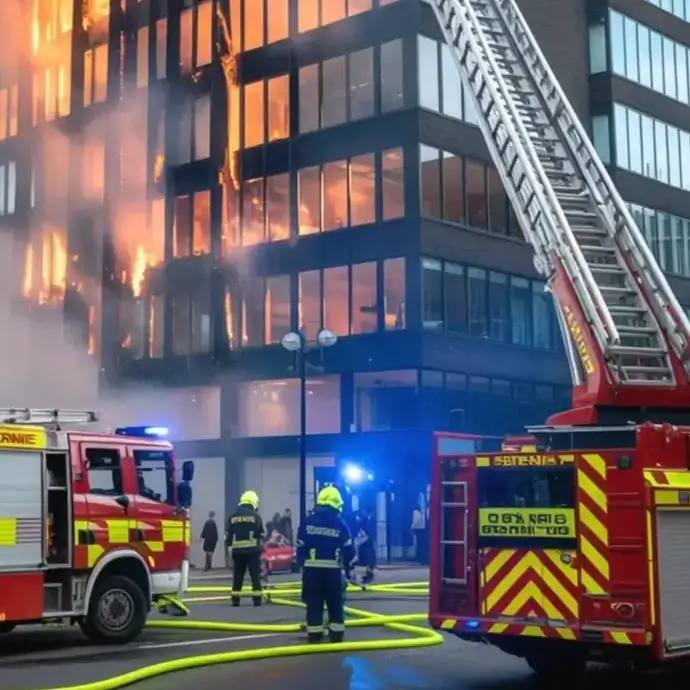
A fire risk assessment provides a structured method for identifying and managing potential fire hazards within a building or environment. This process emphasises evaluating fire-related risks and implementing measures to minimise them.
Street food vendors work in unique environments where hygiene and food handling practices are crucial to preventing potential health risks. Furthermore, outdoor food preparation and service pose factors that can heighten the risk of contamination.
Anti-slavery training equips people and organisations with practical skills to recognise and prevent modern slavery, including forced labour, human trafficking, and servitude. It emphasises understanding current forms of exploitation and the systems that enable them.
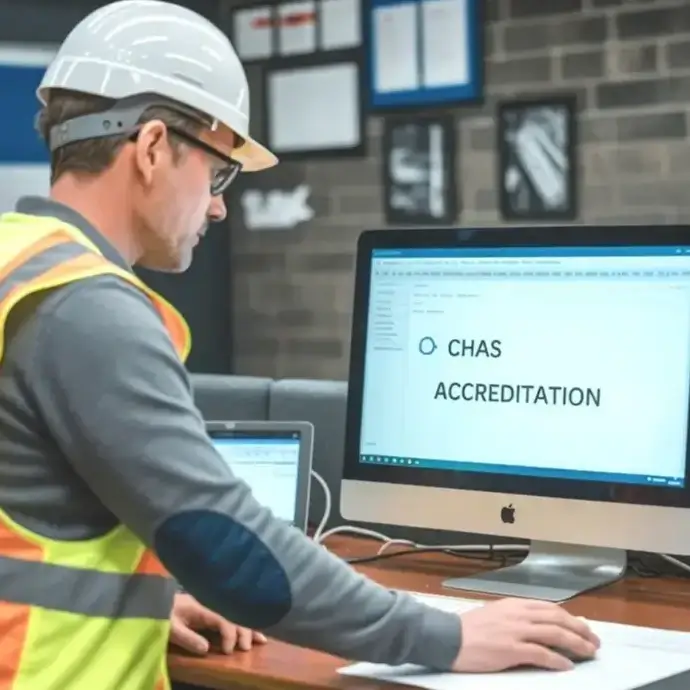
As a contractor, you are probably aware that there are several accreditation schemes available, with the Contractors Health and Safety Assessment Scheme (CHAS) being one of the most recognised in the industry.
Substances that ceramic tilers often use include chemicals found in tile adhesives, which are usually cement-based with additives like quartz sand, re-dispersible polymer powders, and cellulose ethers to enhance bonding and workability.
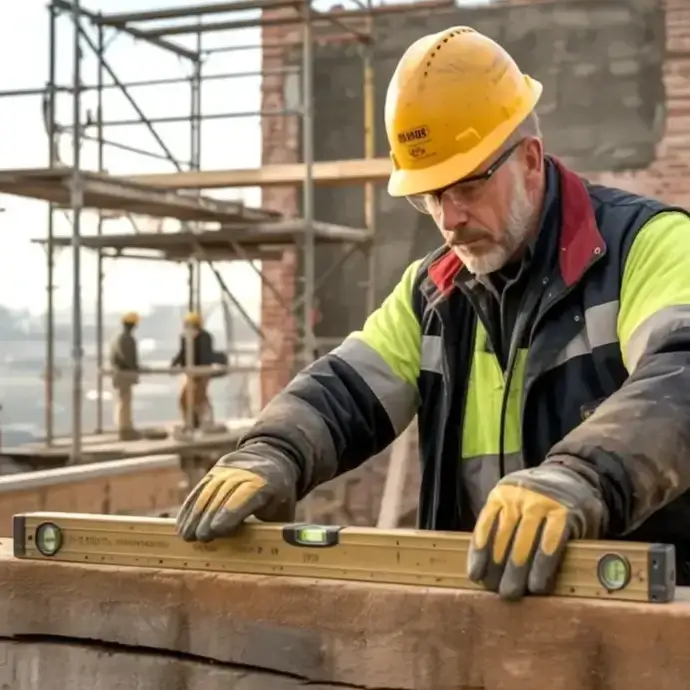
Each of the substances a bricklayer might encounter could potentially cause harm, so a risk assessment for these substances is necessary. This type of assessment is very specific: it focuses not on a task that needs to be completed but on the substance being used.
A risk assessment for carpenters identifies workplace hazards, evaluates the potential severity of harm, and establishes suitable control measures to protect workers from accidents and long-term health issues. The specific risks and controls may vary depending on the work environment, ranging from workshop settings to active construction sites.