Keeping up to date with food hygiene qualifications is essential for those working in catering or managing a kitchen. In this article, we address commonly asked questions about food hygiene certificates, including when they expire, whether they need to be renewed, the required level of certification, and more.
If you are involved in construction in any way, you’ll likely hear the phrase ‘construction phase plan’ mentioned. In this blog, our experts outline what is required in a construction health and safety plan, who’s responsible for it, and what a construction phase plan should contain.
Any task where one or more employees need to manually move or support a load is considered manual handling. A load like this can lead to injuries, especially back injuries, and, as such, employers must make every effort to reduce the risk of workplace injuries.
We design our training on diversity and equality to be informative and engaging for all employees, regardless of their role within the organisation. In this course, participants learn about nine protected characteristics that individuals may encounter in the workplace.
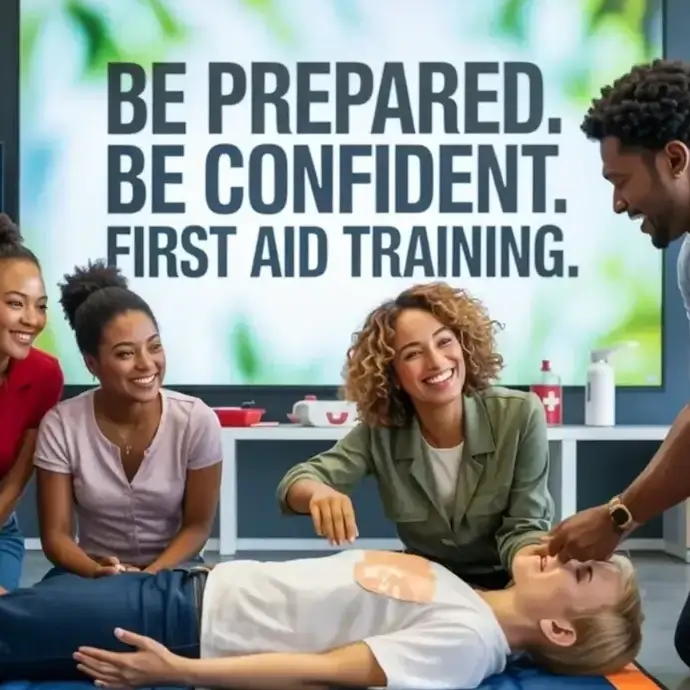
First aid training is an effective way to ensure your staff stays safe in the workplace, but it can also bring a number of surprising benefits to your team. In this article, we discuss how first aid can foster a positive workplace culture, develop leadership skills, and more.
Ensuring you keep your staff safe within the workplace is a legal requirement, but do you need a qualified first aider? In this article, we will explore the recommendations for the number of first aiders required in the workplace and where you can obtain first aid training for your employees.
To ensure you stay within the legal guidelines in a kitchen, you must follow certain food hygiene rules. This article explains the rules you should follow, the consequences if you don’t follow food hygiene regulations, and how you can qualify for Food Hygiene Level 2.
Diversity, Equality, and inclusion (DEI) training is becoming a permanent fixture in the modern workplace, and it is a proactive means to educate employers and employees on the best practices to achieve a fair and just working environment.
By completing a First Aid at Work course, an individual at work can accept responsibility, take control, and manage the incident before emergency services arrive. Which could both save a life and aid recovery.
What is Manual Handling? Manual handling is defined as the various activities involved in transporting or supporting a load through physical means. This load can consist of a wide range of items, including but not limited to people, objects, or animals.