Food allergens are naturally occurring proteins in certain foods that can trigger adverse immune responses in individuals who are sensitive to them. These reactions occur when the immune system mistakenly identifies a harmless food protein as a threat, leading to the release of chemicals in the body that trigger symptoms.
At HSEDocs, we understand the critical importance of effective allergen training for any business handling food. With increasing awareness around food allergies and intolerances, ensuring your staff are fully equipped to manage allergens isn't just good practice—it's a legal and ethical necessity.
A peanut allergy is a common type of food allergy that occurs when the body's immune system mistakenly identifies proteins in peanuts as harmful. This triggers an allergic reaction, which can range from mild discomfort to a life-threatening condition called anaphylaxis.
The prevalence of tree nut allergies has been increasing, and they are recognised as a significant cause of food-induced allergic reactions. These allergies can develop in childhood or later in life and are often associated with a heightened risk of severe reactions.
A food allergy occurs when your body's immune system mistakenly identifies a harmless food protein as a threat. This triggers a protective response, releasing chemicals that can cause a range of symptoms, from mild discomfort to severe, life-threatening reactions.
A dairy allergy, often referred to as a milk allergy, is an adverse immune system response to proteins found in cow's milk and other dairy products. This is distinct from lactose intolerance, which is the inability to digest the sugar (lactose) in milk due to a deficiency of the enzyme lactase.
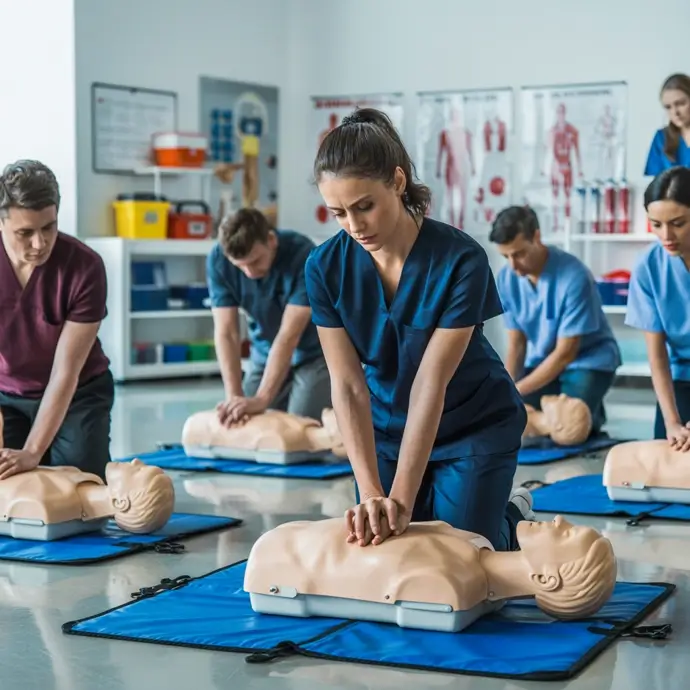
Understanding basic first aid isn't just about compliance; it's about making a real difference when it matters most. Accidents and emergencies can happen anywhere – at home, in the workplace, or in public. Being equipped with first aid training means you can provide immediate care, potentially stabilising a situation until professional medical help arrives.
First aid is not just a regulatory requirement for many businesses; it’s a fundamental life skill that empowers individuals to respond effectively during an emergency. Imagine a colleague collapsing, a child choking, or someone experiencing a severe allergic reaction. In these critical moments, immediate and correct intervention can save lives or prevent further injury.
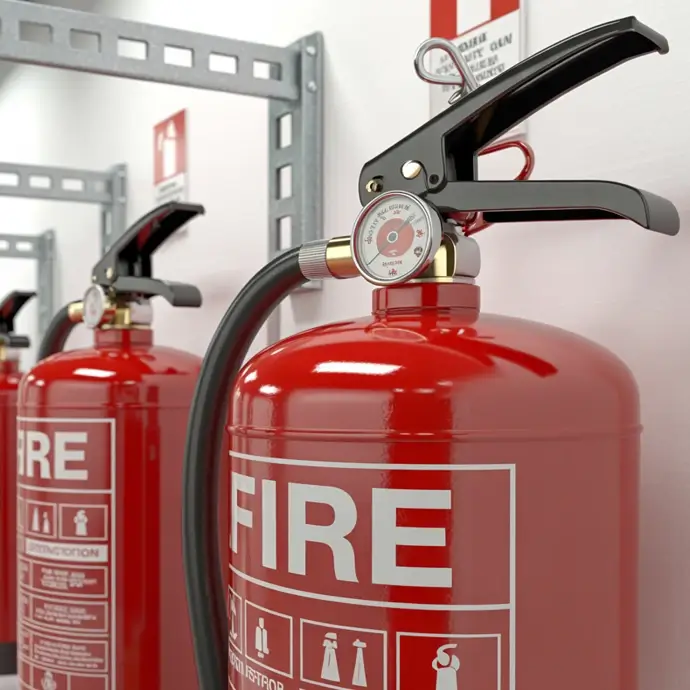
Our training goes beyond mere compliance, promoting a proactive safety culture within your organisation. When your employees are well-versed in fire prevention and emergency procedures, they become your first line of defence against potential hazards.
Fire incidents can have devastating consequences, ranging from serious injuries and fatalities to significant property damage and business disruption. Proactive fire awareness training is your first line of defence.